‘The Reality Of…’ is a series with the aim to raise awareness of disabilities, illnesses, impairments, etc. Also, educating others about the barriers that disabled people and carers face. I hope this series helps to break down misconceptions and stigma.
Life doesn’t have to stop when you have a disability.
Meet Emily
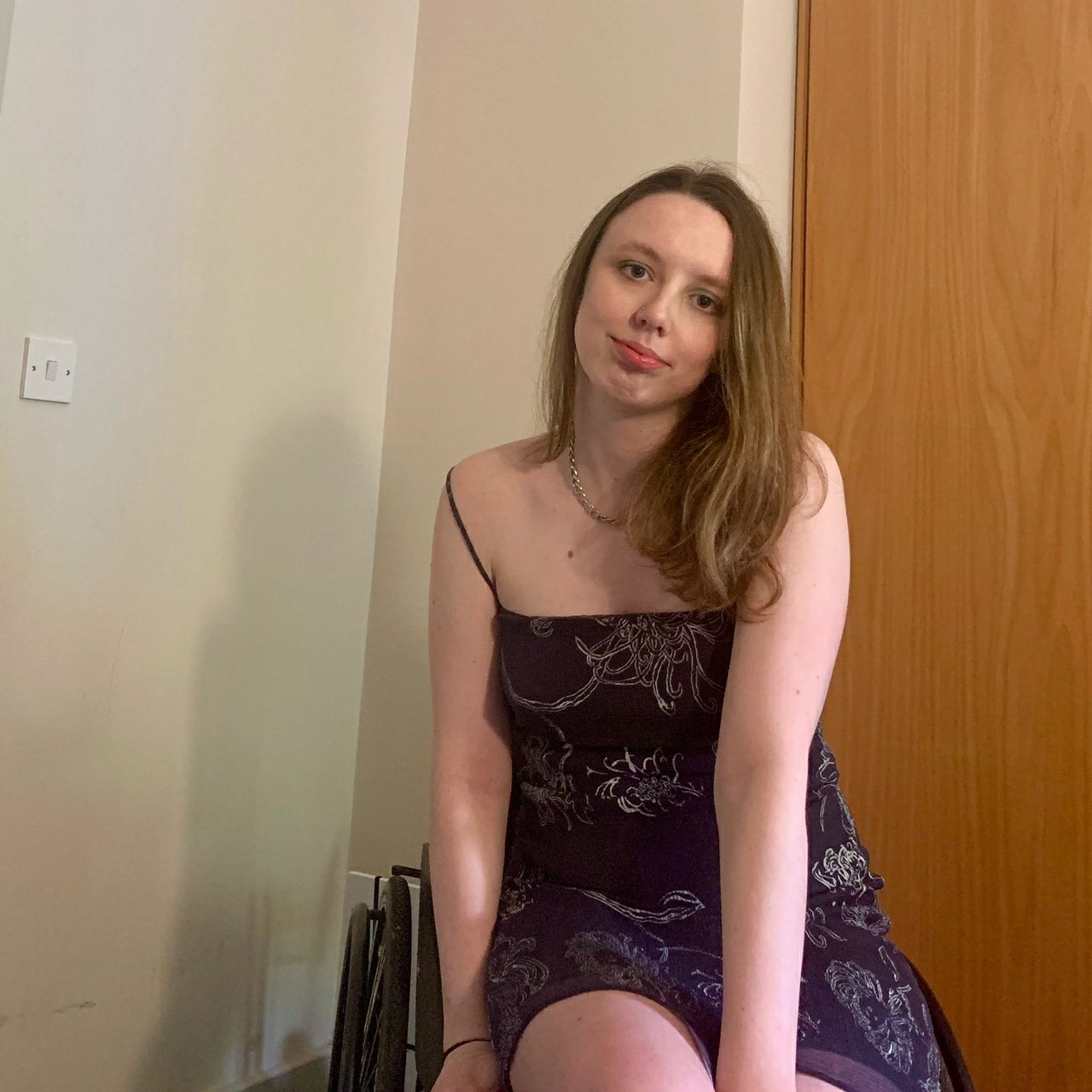
My name is Emily, I am a 20 year old student and I am from Bury in Manchester. I have cerebral palsy, PCOS (Poly-Cystic Ovary Syndrome), and a hiatus hernia. I read French at Jesus College, Oxford University and I write my own blog on fashion and disability issues.
Cerebral Palsy
Naturally, I was diagnosed with CP first: I was born with it. However, it took me until I was three years old to get a diagnosis – a year later than most children. My doctors have attributed this to my having a mild-to-moderate case, but, judging by my mum’s stories, some signs should have been picked up sooner, and I believe she was not taken seriously enough when she raised concerns.
My CP affects me in several different ways, and I think it is worth remembering that Cerebral Palsy is an umbrella term covering multiple conditions. I have spastic diplegia, characterised by tightness in the leg muscles, which causes them to be prone to spasms. Spasms hurt a lot and render my legs and hands completely useless. I struggle with my balance and coordination, which means I am incredibly accident-prone and messy, and I deal with chronic pain and fatigue daily.
I have developed lots of different coping strategies over the years, but I would say the number one thing to help my muscles have been swimming. I have swum since I was seven and competed since I was nine. My training has maintained my mobility over the years and kept me strong despite several growth spurts, so I have only needed three surgeries so far. As far as studying and writing go, I plan my days carefully and take regular breaks. I was lucky enough to get a good deal with my Disabled Students’ Allowance, so I rely on the equipment a lot to get my work done. Different software helps keep me focused when I am fatigued, while my ergonomic chair helps me deal with chronic pain. I have also learnt to let myself use my wheelchair and crutches more, and that has mitigated my pain significantly.
My CP has touched every part of my life, from my education to my relationships with other people. Unlike my other chronic conditions, my cerebral palsy is part of me, and I would not cure it if I could. People seem to believe it has made me tougher, but I could not even imagine who I would be without it. Also, the idea that traumas make us stronger people makes me uncomfortable: I was a child for most of them, and no child should have to toughen up.
Hiatus Hernia
I was diagnosed with my hiatus hernia when I was 17. My diagnosis followed a long period of being in immense pain almost every time I ate if I could keep my food down at all. I became underweight, my hair was thinning, and I needed fillings because my stomach acid was causing my teeth to dissolve. Most of my doctors were adamant that it was purely stress-related at first, so it took me losing quite a lot of weight for them to take me seriously.
Eventually, I had a gastroscopy that confirmed my stomach had herniated into the gap between my diaphragm and oesophagus, causing me to develop GERD (Gastroesophageal Reflux Disease). This was what was causing the vomiting, indigestion, and pain under my sternum. Even after my gastroenterologist gave me medication to ease my symptoms, putting the weight back on was a challenge. I still had a mistrust of certain foods, and my appetite was not what it once was.
It took my physiotherapist putting a good word in with a dietician at her clinic to get me help. He gave me advice on how to get more calories in my diet without upsetting my shrinking stomach, and he also prescribed me nutrient shakes to top up what I was missing. The weight took a while to come back because, as a result of my CP and fast metabolism, I need a great deal of food to maintain my weight as it is. I got there, though. So now, with a few alterations to my diet and my medication, I am back to my usual, food-loving self.
Poly-Cystic Ovary Syndrome
My journey with my PCOS diagnosis has been my hardest one so far. It started when I was about 14, and my periods were agonising. I would be bed-bound for the first few days and have horrific cramps that would cause me to double over in pain. Like most teenagers with period pain, I was given the pill and sent on my way. It did mitigate some of the problems, but I knew it was not quite enough. However, I was terrified to come off it and go back to my debilitating symptoms.
Around the time I was applying to Oxford, the decision was out of my hands. I started my period, and it simply did not stop. It was exhausting more than anything, and I felt like I was dragging myself from one day to the next. There was a female doctor at the surgery who saw me while my GP was on leave, and she had the foresight to book me in for an ultrasound scan. After I finished with my scan, the scan technician did not even pretend he could not read the scan. He told my mum rather bluntly I “clearly had PCOS,” but I still had to wait to see a gynaecologist verify my scan and look at my blood results.
When I did get to see her, everything that could go wrong did. They had not added me to the appointment list correctly, so I was not seen until the end of the evening. We queried why the appointment was so late, and then the administration added me to the end of the appointment list, so she did not see me until 6:30 pm. She was even more brutal than the scan technician and seemed irritated with me because my surgery had not sent my scan over to her. My evening got worse when she told me I had to come off any HRT and start fresh to see how my periods would regulate themselves without the medication.
Enduring those three months was tough. I had horrible mood swings; I was hot and clammy all the time, and each time I showered, I would lose more and more hair. I got to the end of it and was finally rewarded with my diagnosis. However, in that appointment, the gynaecologist told me that it was unlikely that I would be able to have children. I was heartbroken. I still grieve in a way, but I take some comfort in the idea that, maybe, this is the universe pushing me towards being an adoptive mother, and that is what I ought to do.
I am still waiting to be treated correctly. The combined pill gives me horrendous migraines, so that is out of the question. The medication I am on currently may damage my fertility further, and I have been on it longer than I should have, thanks to the pandemic. I manage my hair and skin by using higher-end skin and haircare and keeping myself clean to control the oiliness. I take comfort in presenting in a feminine way and looking after myself because it alleviates the disconnect I feel from my womanhood because of my higher testosterone levels.
The other common fix for PCOS is diet. However, the diets for a hiatus hernia and PCOS conflict. I need to eat plenty of dairies to keep my calcium up since my stomach does not absorb it properly, yet this aggravates my PCOS. Trying to regulate my carbohydrate intake is also challenging as I need plenty of carbs to keep my energy levels up. For me, maintaining all my conditions in tension with one another is the hardest part. Dealing with a bad pain day while getting my period is awful, and needing to eat while not being able is hard to manage. I get by, though – with only the occasional crash.
My Favourite Superhero
My interest in all things femme means my favourite superhero is Emma Frost. I love her aesthetic and how she can use her powers as a telepath to work as a femme fatale. The X-Men universe has always been a favourite of mine because of how it deals with physical differences and being labelled as an outcast. I find Emma’s journey from a villain to a hero more intriguing than other heroes who have a clear moral compass; her growth as a character since the beginning of the series makes her a compelling character. I have also enjoyed her recent storyline with Kitty Pryde, and I believe it is one of the best LGBTQ+ relationships in comics.
Thank you so much Emily for raising awareness!
If you would like to stay up-to date with Emily, you can find her on Twitter, Instagram, and her blog, A Shaky Precipice!